
 By Dani Philips
The Brutal Training, Mental Transformation, and Sacrifices It Took Travis Fimmel to Become Ragnar in Vikings

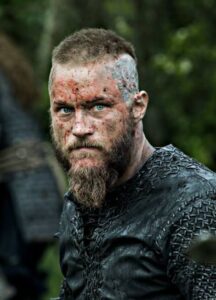
When audiences first met Ragnar Lothbrok in Vikings, it didn’t feel like acting it felt real. The intensity in his eyes, the unpredictable energy, the quiet menace… it all seemed almost too authentic.
But that level of realism didn’t happen by chance.
It took serious physical preparation, deep mental immersion, and a complete transformation for Travis Fimmel to bring Ragnar to life.
He Didn’t Just Play Ragnar—He Became Him
Unlike many actors who rely heavily on scripts and rehearsals, Fimmel approached the role differently.
He often avoided over-rehearsing scenes
He leaned into instinct and spontaneity
He wanted Ragnar to feel unpredictable and human
This is why his performance feels so raw you never quite know what Ragnar will do next.
The Physical Demands Were No Joke
Playing a Viking warrior meant more than just holding a sword.
Fimmel had to:
- Train for combat scenes and battle choreography
- Build a strong, rugged physique (without looking overly “polished”)
- Perform in harsh outdoor conditions—mud, cold, rain
The goal wasn’t to look like a modern action hero—it was to look like someone who had truly lived in that brutal world.
The Mental Shift: Thinking Like a Viking
One of the most challenging parts of the role was psychological.
To portray Ragnar convincingly, Fimmel had to understand:
- A world driven by honor, gods, and destiny
- The mindset of a man torn between family, power, and curiosity
- The emotional weight of leadership and war
He didn’t just act scenes—he stepped into Ragnar’s belief system.
Why His Performance Feels So Different
There’s a reason fans still talk about Ragnar years later.
Fimmel brought:
- Silence instead of speeches
- Expressions instead of explanations
- Chaos mixed with intelligence
It wasn’t a typical “hero” performance—it was layered, strange, and deeply compelling.
Working in a Gritty, Realistic Environment
The production of Vikings also played a huge role.
Filming often took place in real outdoor locations
Costumes were heavy, worn, and realistic
Scenes were designed to feel immersive, not staged
This helped Fimmel stay in character and deliver a performance that felt natural, not forced.
The Sacrifice Behind the Fame
Despite the global success of Vikings, Fimmel has always stayed relatively private.
He avoids the spotlight
Rarely shares personal details
Focuses more on the craft than celebrity life
In many ways, that mystery adds to the legend of Ragnar.
Becoming Ragnar Lothbrok wasn’t just another acting role—it was a full transformation.
It required physical strength, mental depth, and a willingness to step into a completely different world.
And in the end?
Travis Fimmel didn’t just play a Viking—he created one of the most unforgettable characters in television history.